What twenty years of community partnership actually looks like
Camps International has published Issue 4 of its Impact Report, covering 2023 and 2024. The report documents what students and local community partners achieved together across nine countries during those two years: classrooms built, coastlines cleaned, ecosystems protected and communities strengthened through programmes that now span more than two decades of sustained on-the-ground presence.
Across the world, schools and educators are looking for ways to bring sustainability, climate literacy and global citizenship to life beyond the classroom. Camps International’s model of structured, community-led expeditions offers exactly that: an opportunity for young people to engage directly with real development challenges, from biodiversity loss and climate adaptation to clean water access and inclusive education, while contributing something measurable to the places they visit.
Issue 4 is a record of what that contribution looks like in practice, reported against the UN Sustainable Development Goals and in the specific, verifiable terms that responsible travel should always be able to provide.
Issue 4 at a glance
413,000+ hours of hands-on project work contributed in 2023 and 2024
669 sustainable development projects completed since 2003, up from 541 the previous report
1 million+ trees planted across all destinations
310+ classrooms built or improved
250,000 acres of critical wildlife habitat now supported
23 tonnes of marine refuse removed from over 100 miles of coastline
353 sanitation facilities constructed
9 countries covered across Latin America, East Africa and Southeast Asia
Education: classrooms and futures
Education is one of eight global issues that Camps International addresses in line with the UN Sustainable Development Goals, and the numbers in Issue 4 reflect what sustained investment in local education infrastructure actually produces over time. Over the two-year reporting period, a further 53 classrooms were improved in partnership with local communities, bringing the cumulative total to more than 310 classrooms and 146 upgraded school facilities across the nine countries where Camps operates.
In the communities Camps works alongside, a well-built, properly equipped classroom represents something genuinely significant: children who previously had no reliable access to formal education gaining a space that will serve them for decades. The structures students help build are designed and guided by local knowledge, constructed with local materials where possible and handed over to communities who will maintain and use them long after the expedition has ended.
Environment: from coastlines to conservation areas
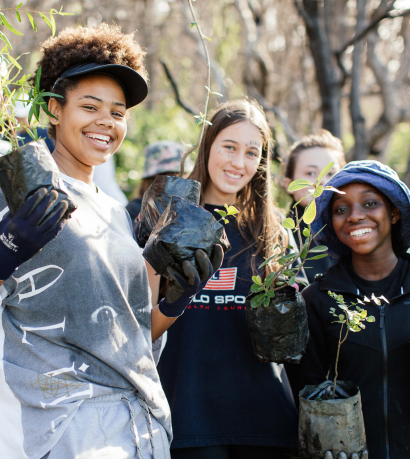
The environmental outcomes in Issue 4 represent some of the most significant progress in the report’s history. Working alongside local conservation teams and communities, young travellers contributed to tree planting efforts that surpassed the one million milestone during the reporting period, while marine conservation work removed more than 23 tonnes of refuse from over 100 miles of coastline. Across all destinations, Camps International programmes now support the protection of more than 250,000 acres of critical wildlife habitat.
One of the more instructive projects detailed in the report is the installation of 22 Lion Lights systems around Nairobi National Park in Kenya. Designed in partnership with local communities, these solar-powered deterrents reduce livestock loss by up to 90% by keeping predators away from family herds at night. The impact is a measurable reduction in human-wildlife conflict and, in turn, a reduction in the retaliatory killings that threaten lion populations in the area. It is a good example of what community-defined conservation looks like: practical, specific and addressing a problem that the people living alongside the park identified themselves.
Community: health, nutrition and livelihoods
Beyond education and environment, Issue 4 documents sustained progress in community health and infrastructure, again delivered in close partnership with local organisations and community leaders. More than 353 sanitation facilities and 39 community kitchens have been built across Camps’ destinations, improving access to clean water, hygiene and nutrition for thousands of people in communities where basic infrastructure has historically been limited. Seven medical centres have been supported across five countries, extending healthcare access to populations that previously had little or none.
The report also covers livelihood initiatives that reflect the same principle: solutions developed with communities rather than for them. Livestock health interventions, micro-enterprise projects and practical income generation programmes are designed to build long-term economic resilience, reducing dependency and supporting families to make decisions about their own futures.
“This report is more than a snapshot. It reflects the scale of what’s possible when education, sustainability and community impact come together. Whether it’s building classrooms, restoring ecosystems or sparking global awareness in young people, our goal is long-term, systemic change. We want this report to show what responsible, purpose-led travel can achieve and invite others to help us take it further.”
— Sharon Palmer, Managing Director, Camps International
What Issue 4 tells us
Issue 4 covers two years and nine countries, and what it shows above all is that the impact of this work compounds over time. The number of completed projects has grown from 541 to 669 since the last report. The communities Camps International works within are experiencing outcomes that extend well beyond the duration of any single expedition, because the relationships, the infrastructure and the local teams that support them do not leave when the students do.
For ITG, this is the kind of evidence that holds up to scrutiny. Camps International has spent more than two decades building the on-the-ground presence, the community partnerships and the operational rigour that makes accountability of this kind possible. Issue 4 is the record of what that looks like, and an invitation to anyone who wants to understand what responsible, community-led travel can genuinely achieve.
Read the full report
The Camps International Issue 4 Impact Report is available in full at the link below.
About Camps International
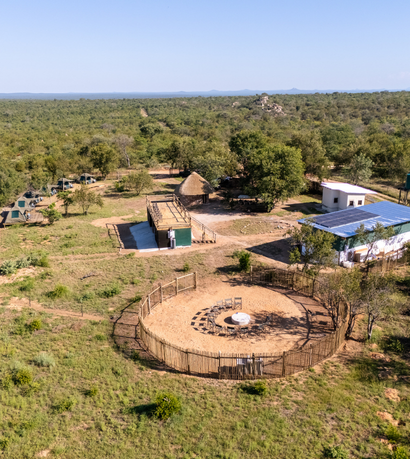
 Camps International is a social enterprise that balances profits with philanthropy. Camps operate a permanent network of international camps in the heart of rural communities and wildlife conservation areas through their wholly owned operations in Latin America, East Africa and Southeast Asia. Camps are located where poverty levels are high and/or significant environmental and wildlife conservation challenges exist. Most camps are established on community land, and they employ local people to build, staff and supply their camps, with each one acting as the hub from which they run their wide range of sustainable projects and adventure activities for young people from around the globe. Projects vary from constructing school classrooms and supplying drinking water to terrestrial and marine wildlife conservation, reforestation, environmental education and microfinance initiatives.