A new chapter for impact-led student travel
Impact Travel Group (ITG) has merged with Camps International, a UK-based student travel social enterprise with more than two decades of on-the-ground community presence. The announcement marks a significant step in ITG’s commitment to holding an uncompromising standard for educational travel with real consequence.
Camps International was founded in 2002 by Stuart Rees Jones in Ringwood, United Kingdom, with its first project in Kenya. Since then, it has partnered with more than 1,000 schools and directly impacted the lives of over 55,000 young people.
“As a social enterprise, we are driven by our strong sense of purpose for our travellers, partner communities and for the planet. This characterises our foundation and determines every aspect of the way we operate.”
— Stuart Rees Jones, Founder, Camps International
Two decades of earned trust
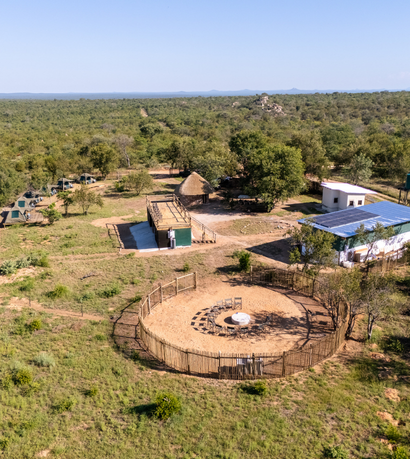
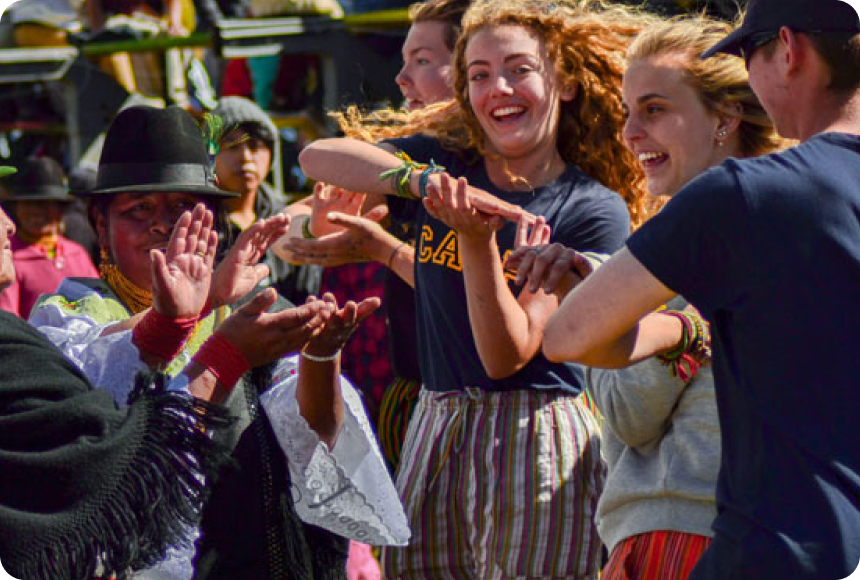
Camps International does not operate at arm’s length. Its permanent network of camps is embedded in rural communities and wildlife conservation areas across East Africa, Latin America and Southeast Asia. Each camp is established on community land, staffed by local people and funded in a way that keeps economic benefit where it belongs.
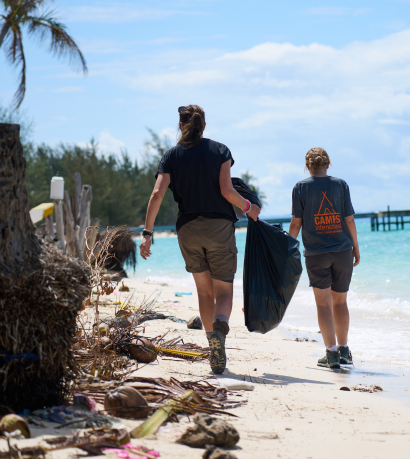
Their work spans the measurable and the meaningful: constructing school classrooms, supplying drinking water, supporting terrestrial and marine wildlife conservation, reforestation, environmental education and microfinance initiatives.
Their educational programme, Real World Studies, brings these experiences directly into the classroom, connecting what students do in the field with what they learn at school.
Joining the group
Camps International joins ITG alongside Raleigh International and African Impact. Each organisation in the group is mission-driven, operating on the principle that student travel and international education build more conscientious, more connected global citizens.
Stuart Rees Jones steps into the group as Chief Executive Officer. For ITG, this is not a rebranding exercise. It is a commitment to scale what already works: earned community partnerships, sustained on-the-ground presence and programmes built with integrity from the first day of design.
“Our group provides educational travel to deliver positive experiences through personal growth and individual transformation. This is underpinned by a mix of cultural and environmentally sustainable education, service learning and personal challenge.”
— James Scott, Co-Founder, Impact Travel Group
The group’s focus now extends to growth in non-traditional destinations and to expanding programmes that are accessible to a broader generation of travellers.
“Joining the Impact Travel Group will support Camps to inform and inspire more students globally and provide a greater menu of quality programmes for our students and alumni. We are truly an organisation dedicated to our mission and every single member of our staff have been involved in the Impact Travel Group merger.”
— Stuart Rees Jones, Founder, Camps International
What this means for schools and students
For schools, the merger means more choice backed by a consistent standard. ITG exists to prove that student travel can satisfy both sides of the equation: learning outcomes that hold up to scrutiny and community benefit that does not disappear when the group flies home.
Camps International has spent over 20 years demonstrating exactly that. Their entry into the group raises the floor for what impact-led educational travel can look like.
About Camps International
 Camps International is a social enterprise that balances profits with philanthropy. Camps operate a permanent network of international camps in the heart of rural communities and wildlife conservation areas through their wholly owned operations in Latin America, East Africa, and Southeast Asia. Camps are located where poverty levels are high and/or significant environmental and wildlife conservation challenges. Most camps are established on community land, and they employ local people to build, staff, and supply their camps, with each one acting as the hub from which they run their wide range of sustainable projects and adventure activities for young people from around the globe. Projects vary from constructing school classrooms and supplying drinking water to terrestrial and marine wildlife conservation, reforestation, environmental education, and micro finance initiatives.